Carbon Monoxide Risks: Why Wheat Ridge Homeowners Need HVAC Inspections
Published: 2026-06-21 · By SummitAir Heating and Cooling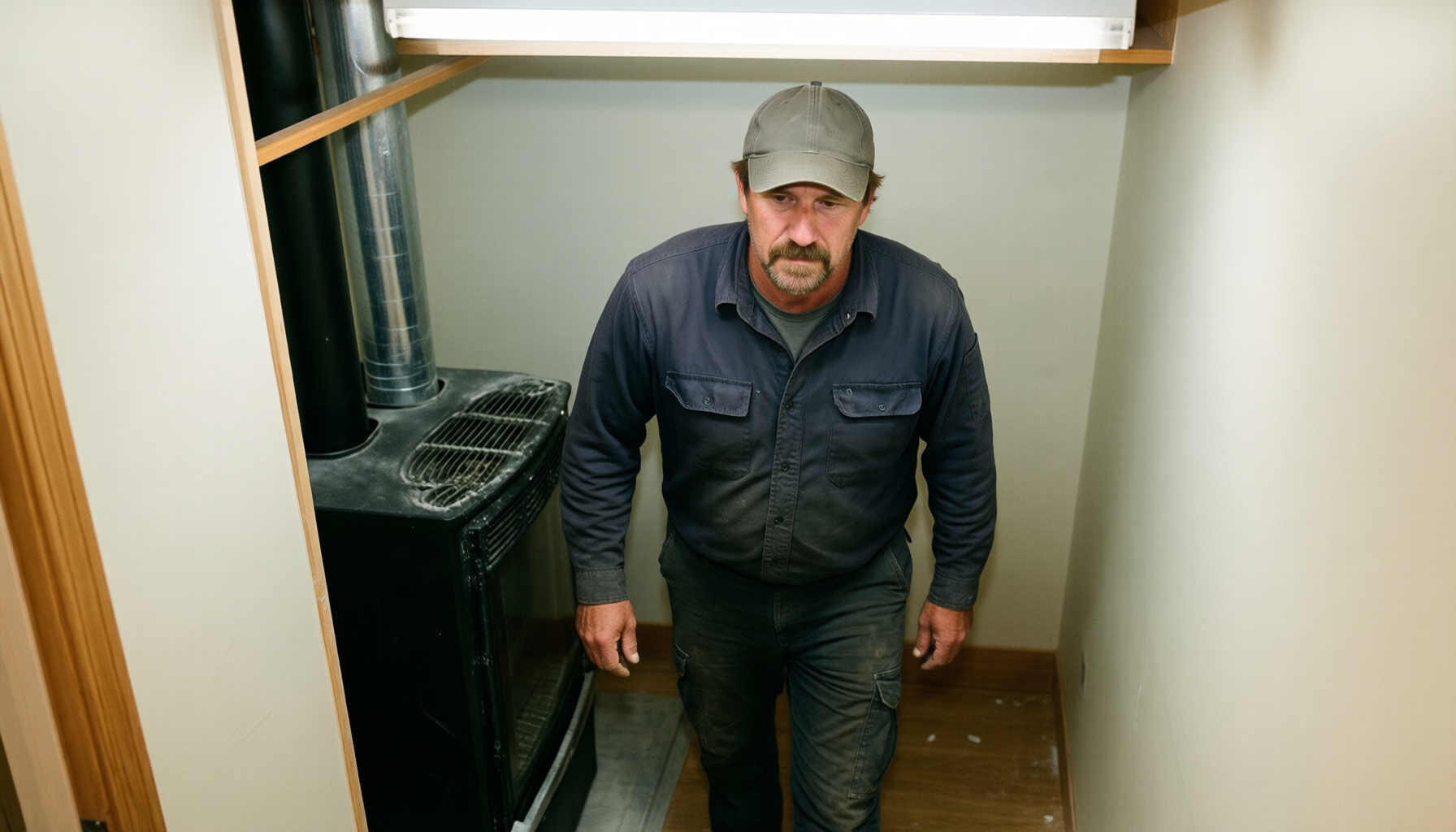
Imagine waking up one chilly morning in Wheat Ridge, only to be greeted by unusual symptoms like headaches or dizziness. These could be signs of carbon monoxide (CO) poisoning, a silent threat that can stem from poorly functioning HVAC systems. With our area's rapid temperature swings and heavy snowfall, maintaining a safe and efficient heating system is vital for everyone's well-being.
Why This Matters for Wheat Ridge Homeowners
Wheat Ridge homeowners face unique challenges related to HVAC systems, particularly when it comes to carbon monoxide risks. Given the region’s fluctuating temperatures and frequent hailstorms, systems are put under immense strain. Malfunctions can release CO, creating a harmful environment inside your home. This colorless, odorless gas is notorious for its potentially fatal effects, particularly during the colder months when heating systems are heavily used.
The expansive clay soils typical in Wheat Ridge often cause structural shifts in homes, which can lead to improper venting of heating systems, increasing the risk of CO buildup. It's essential to understand that while contemporary HVAC systems are designed with safety features, they still require regular inspections to function optimally.
Ignoring maintenance can lead not just to health risks but also costly repairs down the line. Prioritize regular HVAC inspections to ensure your family’s safety and system efficiency.
Additionally, freeze-thaw cycles in spring can cause hazardous cracks and stress in building materials, which can also impact the ventilation pathways crucial for reducing CO buildup. Pay attention to these seasonal changes and their implications for your heating system.
Expert Solutions & Actionable Tips
1. Schedule Regular HVAC Inspections
Regular HVAC inspections are essential for identifying potential carbon monoxide leaks. For Wheat Ridge homeowners, scheduling these inspections at least once a year is advisable, preferably before the winter heating season. Expect to pay between $100 and $200 for a comprehensive inspection that covers your heating system's safety features and airflow.
Professionals will check for wear and tear, ensuring that vents are clear and systems are operating efficiently. Taking this proactive approach can help catch issues before they escalate into significant safety hazards.
2. Install CO Detectors
Carbon monoxide detectors are a necessity for any home in Wheat Ridge, especially during the colder months. The installation cost for these devices typically ranges from $30 to $60 each. Placing them near bedrooms and living areas can provide an early warning to protect your family.
Check your detectors regularly, and replace the batteries at least twice a year. Being proactive about CO detection can save lives and provide peace of mind.
3. Understand Your HVAC System's Components
Familiarizing yourself with your heating system's components can help you spot potential issues early on. Know where your furnace, flue, and exhaust vent are located, and keep these areas clear of debris. A clogged flue can trap carbon monoxide inside your home, posing serious health risks.
Implementing this knowledge and performing minor checks can empower you as a homeowner and help you react quickly to warning signs.
4. Maintain Ventilation and Airflow
Good ventilation is crucial in preventing CO buildup. In Wheat Ridge, where homes are often impacted by shifting soils and extreme weather, ensuring your ventilation system is clear of blockages is vital. Services to enhance ventilation can range from $150 to $300, depending on the complexity of your HVAC system.
Regularly inspect vents for any signs of obstruction, particularly after heavy snowfall when snow drifts can block exhausts.
5. Be Aware of Symptoms of CO Poisoning
Understanding the symptoms of carbon monoxide poisoning can be lifesaving. Common symptoms include headaches, dizziness, and nausea. If you notice anyone in your household exhibiting these symptoms, especially when the heating system is in use, evacuate immediately and contact a professional.
Being informed and vigilant can make all the difference in emergency situations, protecting your family from harm.
6. Reach Out for Professional Assistance
If you suspect your HVAC system may be malfunctioning, it’s best to consult a professional. Local HVAC service prices vary but typically hover around $75 to $150 for consultations and diagnostics. Given the risks associated with carbon monoxide, investing in a qualified technician for a detailed assessment is a necessary precaution.
Don't hesitate to seek help when in doubt. Quick intervention can save lives.
Wheat Ridge Climate & Local Context
Wheat Ridge's climate presents unique challenges for homeowners, particularly as temperatures fluctuate dramatically throughout the year. As you navigate the extremes, be aware that building materials used in many homes must withstand expansion and contraction due to rapid changes in temperature. This can affect your HVAC system's performance and safety.
Moreover, local building codes may require certain permits for HVAC installations and modifications. Familiarize yourself with these regulations to ensure compliance, especially as improper installations can contribute to carbon monoxide issues.
Understanding these local nuances allows Wheat Ridge residents to make informed decisions regarding their HVAC systems and helps avoid the pitfalls associated with neglecting regular maintenance.
When to Call a Professional
Determining when to handle HVAC issues yourself versus when to call a professional can be challenging. While DIY maintenance, like replacing filters, is feasible, specific circumstances necessitate professional evaluation. These situations include:
- Furnace malfunction despite regular maintenance.
- Noticeable gas odors near heating equipment.
- Symptoms of CO poisoning among household members.
- Unusual noises from the HVAC system.
- Frequent system cycling or failure to turn on.
- Visible deterioration of ductwork or vents.
- Difficulty regulating temperature across rooms.
In such cases, professional heating, ventilation, and air conditioning specialists possess the tools and expertise to identify and resolve complex issues effectively.
Frequently Asked Questions
How often should I schedule HVAC inspections?
It's recommended that Wheat Ridge homeowners schedule HVAC inspections annually, ideally before the winter heating season to ensure optimal performance.
What are the signs of carbon monoxide buildup in my home?
Symptoms indicating potential carbon monoxide buildup include headaches, dizziness, nauseous feelings, or unexplained fatigue among household members.
Do CO detectors need maintenance?
Yes, CO detectors require regular battery checks and should be replaced every 5 to 7 years to ensure accuracy.
What’s the average cost of an HVAC inspection?
In Wheat Ridge, the average cost for a thorough HVAC inspection usually ranges from $100 to $200.
When should I call a professional for my HVAC system?
Call a professional if you notice persistent issues like strange noises, frequent system cycling, or any symptoms of carbon monoxide exposure.
Get Expert HVAC Service in Wheat Ridge
Don’t leave your family’s safety to chance. Ensure your HVAC system is in excellent condition by scheduling regular inspections and maintaining proper ventilation. For expert help, feel free to call (983) 213-7187. SummitAir Heating and Cooling is here to serve Wheat Ridge, keeping your home safe and comfortable.
Take action today — your health and safety depend on it!